
The Quiet Exit From a Loud System
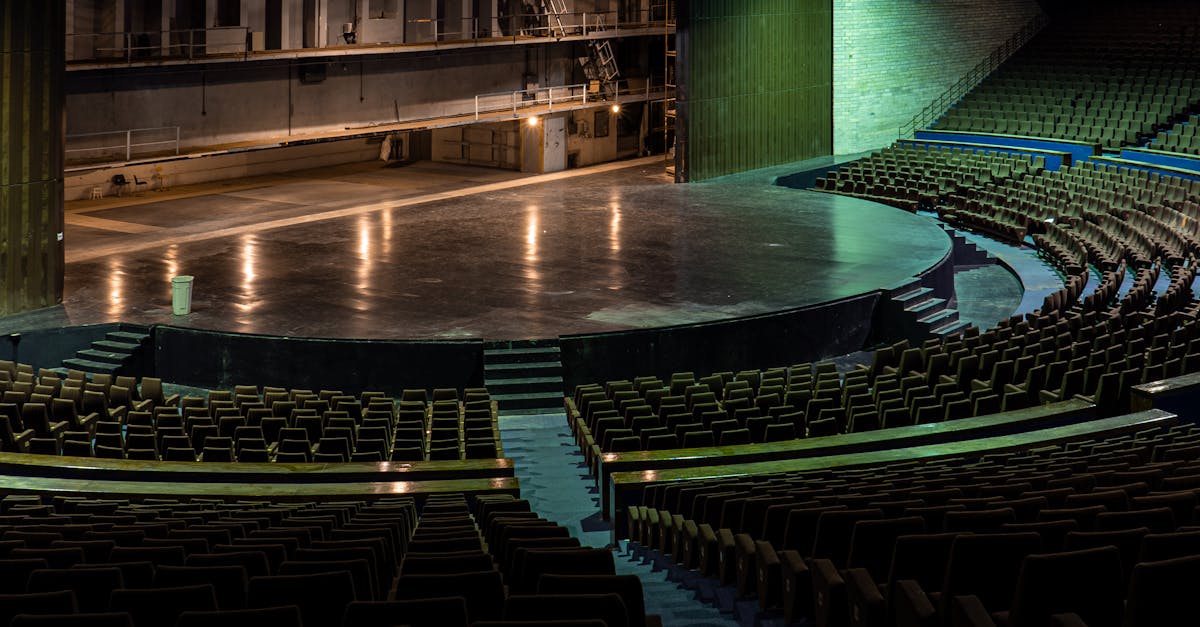
You don't have to slam the door. You don't have to announce anything. The loudest systems are the easiest to walk out of — because all that noise is busy with everyone else, and nobody's watching the exit you can take in silence.
We've been trained to believe that leaving requires a confrontation: a dramatic break, a manifesto, a burned bridge. So most people never leave at all — the cost of the loud exit feels too high, so they stay, resenting. But that whole framing is a trap the system set. It wants you to think the only way out is a scene, because a scene is exhausting and most people won't pay for it. The truth is quieter and far more available: you can simply stop feeding it, redirect your attention and your best work elsewhere, and walk through a door that was open the entire time.
The Noise Is the Distraction
A loud system runs on your attention. The outrage cycle, the manufactured emergencies, the endless theatre of left-versus-right — none of it is information; it's occupation. It keeps your eyes fixed forward, at the spectacle, so you never glance sideways at the unguarded door. The volume isn't a side effect of the system; it's the security system. This is why divide and distract is the oldest play — keep everyone fighting loudly at the centre and nobody notices the people quietly leaving at the edges.
Exit by Subtraction, Not Confrontation
The quiet exit isn't a battle you win — it's a series of withdrawals nobody contests. You stop giving the broken structure your attention. You stop performing belief you no longer hold. You stop waiting for it to fix itself and start putting your energy somewhere that answers you. None of these require permission, and none of them trigger an alarm, because a system built to repel attackers has no defence against people who simply stop showing up. The freeman movement was right that you can refuse the system — it was just wrong about how. You don't out-argue it. You out-leave it.
You Need Somewhere to Go
Here's the catch that traps most would-be leavers: an exit with nowhere on the other side isn't freedom, it's exile. People stay in broken systems not because they love them but because there's no built alternative to walk into — and exile is lonelier than the cage. The quiet exit only works when a real room already exists on the far side of the door. That's the entire purpose of building the parallel before asking anyone to leave: so the exit leads somewhere, not nowhere.
The Door Is Already Open
Ytinu City was built to be that somewhere. It is not a destination you have to storm or qualify for through a gauntlet — it's a door left open for the people who already feel the founding sentence in their chest. The brand's whole posture is an open door with a quiet sign: something isn't adding up. If that sentence reaches you, you're already most of the way through. You don't need to renounce anything loudly. You just need to walk toward the place where the promises are kept, the standing is earned, and the books stay open. Understand why not everyone will understand this and the design clicks: the door is invisible to the people the noise still satisfies, and obvious to the people it never could.
What You Carry Through It
The quiet exit is not abandonment — it's relocation of your loyalty, your attention, and your best work to a structure that returns them. You carry yourself through whole: your nine attributes, your capacity to build, your refusal to be managed. What you leave behind is only the part that was draining you. There is no need to convince the people still inside; the loud system will keep them busy enough on its own. You simply leave, build, and let the door stay open for whoever feels the floor tilt next.
There's a freedom in this that the loud exit never delivers. The dramatic break still hands the system one last thing it wants — your energy, spent on the leaving instead of the arriving. The quiet exit denies it even that. You make no speech it can rebut, raise no flag it can target, fight no battle it can score. You just become slowly, deliberately unavailable to it, until one day the structure realises it has been keeping the lights on for a person who has already, completely, gone. That is the most disarming move available to anyone the system was counting on: not to rage against it, but to outgrow it so quietly that it never gets the satisfaction of a fight.
Inside Ytinu City
What's on the other side of the door is structured, not vague. You enter Ytinu City, choose one of thirteen Houses (one choice, permanent), and find a district that's yours — one of the thirteen named for the months of the Ytinu Accord. The House whose nature most fits the quiet exit is The Bloodline (district: The Umbral Veil; element: Shadow; creature: Vampire), whose essence is patience and hidden strength — "the most powerful thing in the room is never the loudest." And the House that guarantees the door never closes behind you, that dissent and the unknown are always protected, is The Voidwalkers of the Null Dominion (Void, Fenrir), holders of the permanent veto. You don't have to make a scene to leave a loud system. You just have to know the quiet door leads somewhere real.
The quiet exit from a loud system. The door was open the whole time.
Something isn't adding up. Once you do, there's no going back.
Enter Ytinu City