Made to Measure Is Made to Mean
Made to Measure Is Made to Mean
A garment cut for "everyone" was made for no one. A garment cut for you was made for exactly one person — which is the only honest way to make anything that's supposed to mean something. Fit is not a comfort feature. Fit is meaning made physical.
We've been trained to accept the average. Standard sizing is a compromise where the garment doesn't fit anyone perfectly because it was designed to fit the statistical middle of millions. That's an engineering decision for volume, not a tailoring decision for a human. And it quietly tells you something: you are interchangeable, a size, a demographic. Made-to-measure says the opposite. It says you are specific, and the thing on your body knows it.
Fit Is the Most Honest Signal
You can fake almost everything about clothing except fit. A counterfeit can copy the logo, the colour, the cut, the cloth. It cannot copy the fact that the garment was built around your shoulders, your reach, your frame. The moment something is made to measure, it becomes singular — it fits one body and announces that it was made for that body. That singularity is the signal. It can't be mass-produced, which means it can't be hollow in the way mass-produced status always is.
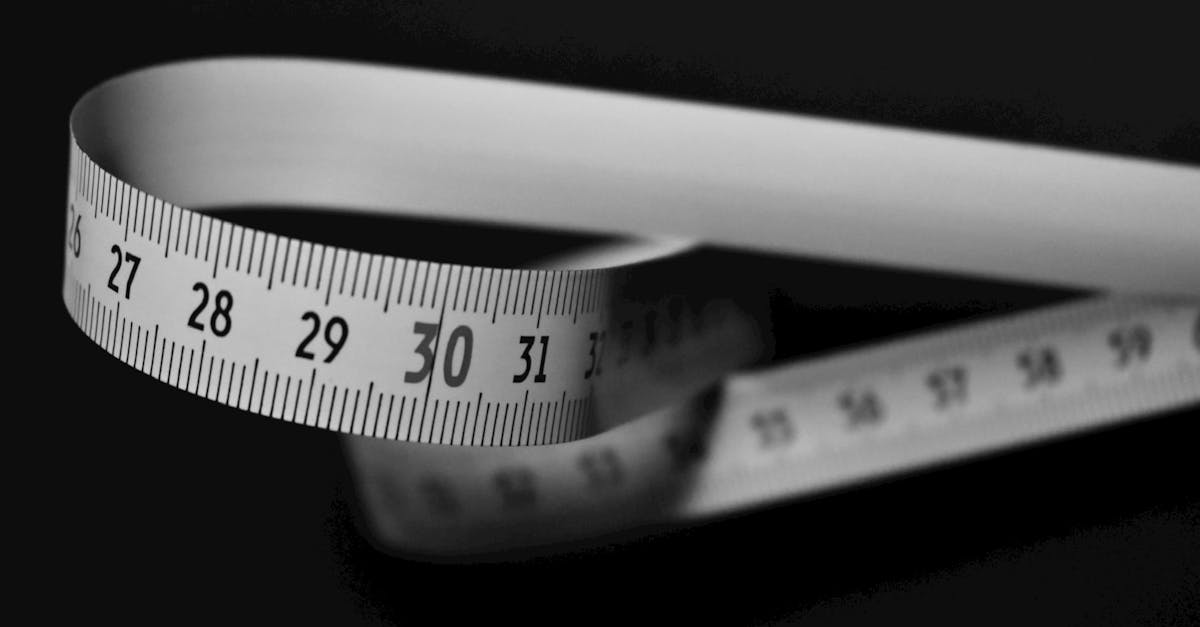
This is why made-to-measure is structurally the most pro-human form of clothing: it requires a named person to exist before the garment can. There is no speculative volume, no anonymous middle. The same logic that makes clothing that doesn't cost a soul possible is the logic of measuring an actual human before cutting cloth.
What Happens When Fit Meets a Number
Here's where it gets interesting. A made-to-measure garment is already singular in the physical world. Tie it to a permanent, recorded number — a position on chain — and it becomes singular in the symbolic world too. Now the garment carries two kinds of uniqueness at once:
- Physical singularity — it fits one body, was cut for one frame, exists because one named person was measured.
- Recorded singularity — it's attached to one number, one position, that can be verified and never duplicated.
Together those make a garment that can't be faked on either axis. You can't reproduce the fit and you can't reproduce the record. This is the convergence at the heart of what collectible clothing has in common with NFTs — the physical object and the on-chain record reinforce each other into something genuinely unrepeatable.
Standard Sizing Was a Compromise, Not a Standard
It helps to remember where "your size" came from. Off-the-rack sizing was invented for scale — a way to clothe armies and then mass markets without measuring each body. It was a brilliant industrial solution and a quiet philosophical surrender: to make one garment serve millions, you accept that it serves none of them precisely. The number on the label is not a fact about you; it's a bucket the manufacturer sorted you into so the maths would work.
Most people have never worn a garment built around their actual frame, so they don't know what they're missing — they've calibrated their expectations to the compromise. Made-to-measure breaks that calibration. The first time something is genuinely cut for you, you feel the gap between "fits well enough" and "made for me," and you can't unfeel it. That feeling is the meaning arriving in physical form. It's the body recognising that, for once, the object knows exactly who it belongs to.
The Garment Becomes a Document
When fit meets number, the garment stops being just clothing and becomes a document — a wearable record of who you are and where you stand. It says, in cloth and in code: this person, this house, this position, this moment. That's a different category of object entirely. It's closer to a passport than a product. And like a passport, its value is precisely that it's tied to one identity and verifiable as such. This is what it means for clothing to become a signal system that encodes identity rather than mere decoration.
Inside Ytinu City
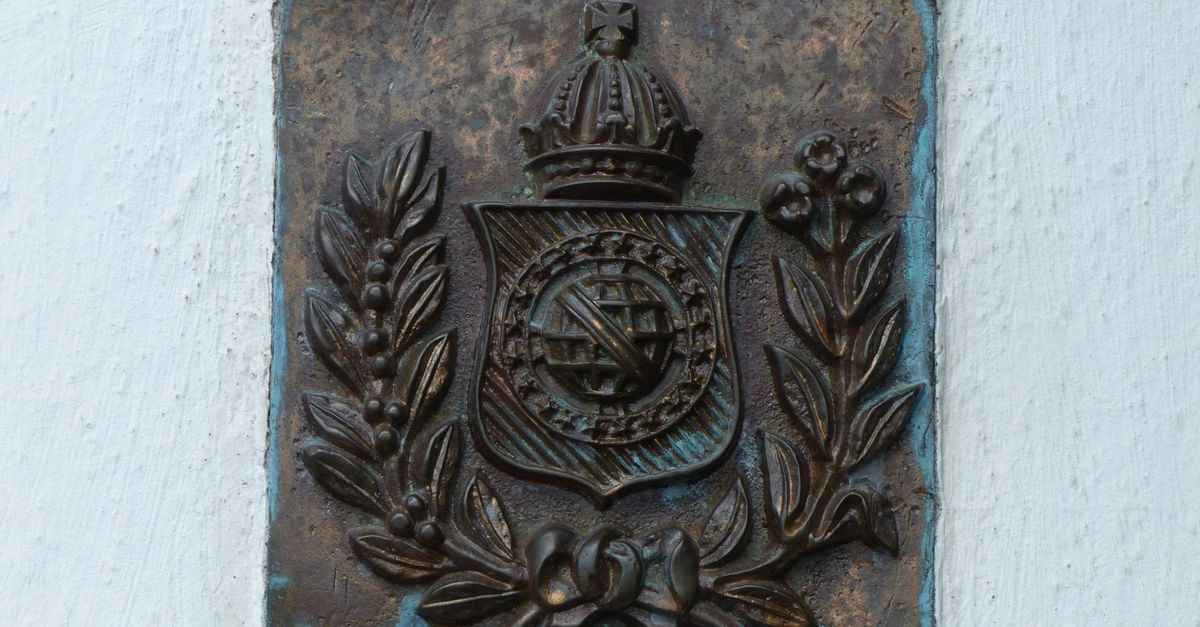
Ytinu City builds clothing to mean, by building it to measure. Every Foundation Pass guarantees a custom made-to-measure jacket — cut for the named holder, tied to their chosen house and their pass number, never sold separately. That number is recorded on chain (the Foundation Pass is an ERC-721 on Base), so the jacket carries both the physical singularity of your fit and the recorded singularity of your position. The four tiers are fixed by number — Founding Relic #000–#012, Gold #013–#099, Silver #100–#299, Copper #300–#999. The jackets are produced as one founding batch once all 1,000 passes are sold, then shipped to every holder at once. The jacket bears your house crest, encoding your house's element and creature — the Earth Golem of The Verdant, the Electric Dragon of The Ascendants in the Northern Heights, the Time Ouroboros of The Paradox. Made to your measure, marked with your number: a garment that means because it's yours, exactly, and no one else's. Made to measure is made to mean.
This is what fashion looks like when it stops treating you as a demographic and starts treating you as a person. The mass-market garment had to forget you to exist; it was built for the average, which is to say for no one. The made-to-measure garment can only exist because you specifically do — it remembers you in its very dimensions. A thing that was built around your actual frame and tied to your actual number is the opposite of expensive noise. It's the rare object that knows precisely whose it is, and says so every time you put it on.
Something isn't adding up. Once you do, there's no going back.
Enter Ytinu City