Why the Best Brands Whisper
Why the Best Brands Whisper
A brand that has to shout doesn't trust its own meaning. The loud logo, the giant monogram, the begging-for-attention drop — that's the sound of a brand that knows it has nothing underneath, so it turns up the volume to cover the silence. The best brands do the opposite. They whisper. And the whisper is the test.
Volume is a tell. When something is genuinely valuable, it doesn't need to announce itself to everyone, because it isn't trying to reach everyone. It's trying to reach the few who already know how to hear it. Loudness is for converting strangers. Quiet is for confirming insiders. The shift from one to the other is the whole difference between hype and meaning.
Loud Sells to Strangers. Quiet Confirms Insiders.
A loud brand is in the business of conversion — it needs to grab people who don't yet care, which requires shouting over the noise of every other brand shouting. That arms race never ends, and it attracts exactly the buyers who'll leave the moment something louder comes along. A quiet brand isn't converting anyone. It's offering a sign that only the right person will catch — and the catching is the point. The signal does the filtering. This is the same principle as the filter: not everyone will understand this, and that's the point. The whisper isn't a marketing weakness. It's the selection mechanism.
The Insider/Outsider Mechanic
A whisper creates two groups automatically: those who heard it and those who didn't. That's not exclusion for its own sake — it's how recognition works. Consider what a quiet signal does:
- To the outsider it reads as nothing — an understated mark, a subtle detail, easy to miss entirely.
- To the insider it reads as everything — instant recognition, a silent nod, "you're one of us."
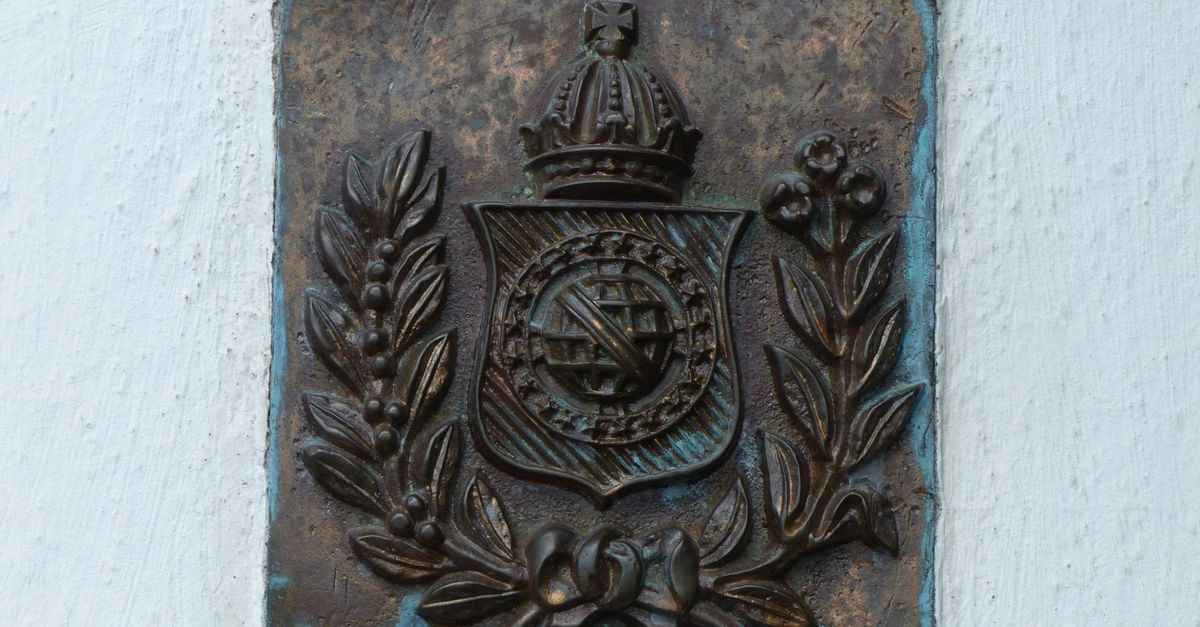
This is the deep function of cryptic, minimal design: it lets people who belong find each other without performing for people who don't. The loud monogram broadcasts to the crowd. The quiet crest signals to the few. One is theatre; the other is a handshake. It's the texture of real belonging — why the people who find this early are different is partly because they were tuned to hear what most people walked past.
Confidence Is Quiet for the Same Reason
The principle isn't only about brands — it's about anything that actually has substance. A person sure of themselves doesn't announce it; the announcing is what insecurity does to compensate. The same is true of objects, and of brands. Loudness is almost always a substitute for something missing. When the meaning is real, it can afford to be understated, because it doesn't depend on you noticing it to exist.
This is why understatement reads as confidence and why maximal branding, past a certain point, reads as anxiety. The brand screaming its name across your chest is, in a sense, asking for reassurance — please confirm this matters. The brand that places a small, cryptic mark and trusts the right person to find it is making no request at all. It already knows what it is. That self-possession is the actual luxury, and it cannot be bought with volume — only with having something true to be quiet about.
Quiet Holds Its Value Because It Was Never Inflated
Loud value is inflated value — pumped up by attention, and therefore destined to deflate when attention moves. Quiet value was never inflated, so it has nothing to lose. It doesn't spike and crash with the hype cycle because it was never riding the hype cycle. This is why understated things age well and loud things date instantly: the loud thing's value lived in the moment's attention, and the moment passes. The quiet thing's value lived in what it actually was, which doesn't. It's the difference between the market that rewards noise and the depth you build in silence.
Inside Ytinu City
Ytinu City is built to whisper. Its whole aesthetic is dark, minimal, cryptic, intentional — encoded text, redaction, the sense of a signal meant for someone specific. Nothing about it shouts, because it isn't trying to convert strangers; it's tuned to be heard by the people who already feel that something isn't adding up. The clothing carries the same quiet. Your Foundation Pass jacket bears your house crest — not a giant monogram screaming a brand name, but an encoded mark carrying your house's element, creature and identity, legible only to those who can read it. The Bloodline's whole philosophy is the whisper itself: "the most powerful thing in the room is never the loudest." The crest comes on a custom made-to-measure jacket included with every Pass across all four tiers, never sold separately. To an outsider it's an understated garment. To another holder it's a handshake across a room. The best brands whisper because the right people are listening — and the wrong ones were never meant to hear.
There's a discipline in that restraint. It would be easier to shout — louder marketing reaches more people faster, and the temptation to convert the crowd is constant. Choosing the whisper means accepting that most people will walk past without noticing, and trusting that the few who stop were always the only ones who mattered. That trust is rare because it's uncomfortable; it looks, from the outside, like leaving growth on the table. But it's the only way to build something that means the same thing to its last member as it did to its first. Volume dilutes. The whisper keeps the meaning intact, one recognised person at a time.
Hear the signal at ytinumoc.com
Something isn't adding up. Once you do, there's no going back.
Enter Ytinu City