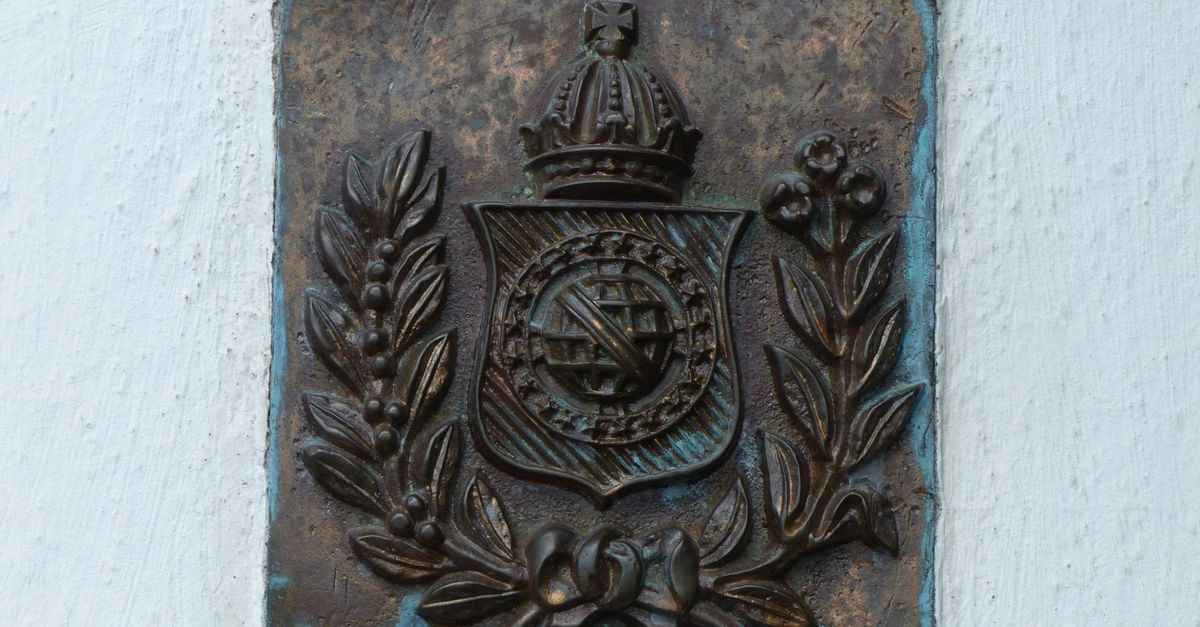

They Sell Status. We Issue Belonging.
They Sell Status. We Issue Belonging.
Status is something you buy from people who can take it back. Belonging is something you're issued and then keep. Most of fashion is in the first business. Almost none of it is in the second — because the second is harder, slower, and can't be faked.
The distinction sounds like wordplay until you feel the difference. Status is rented from the crowd's approval. The instant the crowd moves on, your status evaporates, even though you still own the object. Belonging doesn't depend on the crowd at all. It's a relationship between you and a place, recorded and held, that no shift in fashion can revoke. One is weather. The other is ground.
Status Is a Loan From the Crowd
When a brand sells you status, what you're actually buying is a temporary loan of the crowd's attention. The garment is collateral. As long as the crowd agrees the brand is high-status, your loan stays good. But you don't control the terms — the crowd does, and the crowd is fickle, distractible, and endlessly courted by the next thing. This is why status-fashion has to keep spending: it's constantly refinancing a loan that's always coming due.
That dependency is the trap. To hold status you must keep performing for an audience whose approval you can't command. It's the same dynamic that runs every system built to keep you reacting and seeking validation — the reason quiet confidence beats loud validation is that the loud kind is borrowed and the quiet kind is owned.
Belonging Is Issued, Not Sold
Belonging works on a different mechanism. It isn't priced by the crowd because it isn't held by the crowd — it's issued by a structure to a person, and recorded. Once issued, it's yours regardless of fashion. The structure doesn't care whether you're trending; it only cares that you took your place. That's why belonging compounds where status decays: it accrues meaning over time instead of bleeding it.
There's a moral difference too. Selling status requires keeping people slightly insecure — the loan only matters if you fear losing it. Issuing belonging requires the opposite: making the right person feel seen, recognised, home. This is the heart of earned belonging versus inherited position — belonging you earned can't be inherited away from you, and can't be bought out from under you either.
Why Brands Prefer to Sell Status
If belonging is so much more durable, why does almost everyone sell status instead? Because status is a better business — for the seller. Status has to be continually renewed, which means continual revenue: you must keep buying to keep performing, and the brand keeps collecting. Belonging is closer to a one-time issuance; once you're in, you're in, which is wonderful for you and far less lucrative for anyone trying to extract a recurring fee from your insecurity.
So the incentive runs against you. The system is structurally biased toward selling the thing that decays, because the decay is the revenue. A brand that issues belonging is choosing the harder, slower, less extractive path on purpose — it has decided to make the customer secure rather than to farm the customer's insecurity. That choice is rare precisely because it's worse for quarterly numbers and better for the human. You can usually tell which business you're dealing with by asking whether it would rather you arrive or keep chasing.
The Tell: Can It Be Revoked?
Here's how to tell which one you actually have. Ask: who can take it away?
- If the crowd can revoke it — by moving on, by deciding it's no longer cool — it was status. You were renting.
- If only you can leave it — because it's recorded as yours and yours alone — it was belonging. You own it.
That single test cuts straight through every marketing campaign. The thing that survives the crowd losing interest is the thing that was real. This is the same line that separates a following from a community — a following is on loan, a community is issued.
Inside Ytinu City
Ytinu City doesn't sell status. It issues belonging — recorded, numbered, permanent. The city is 13 Houses, and you choose one: one choice, no switching, never assigned. That choice issues you a place. Your Foundation Pass is the record of it — a numbered position, a stake not a membership, across four tiers (Founding Relic #000–#012, Gold #013–#099, Silver #100–#299, Copper #300–#999). The belonging it issues is yours; no crowd can revoke it. The clothing is the physical signal of that belonging: every Pass includes a custom made-to-measure jacket bearing your house crest. The crest encodes your house's element, creature and identity — the Sound Siren of The Resonance, the Magnetism Griffin of The Oathbound, the Void Fenrir of the Voidwalkers — and it reads as belonging precisely because it was issued, not bought off a shelf. They sell you a loan. We issue you a home. Only one of those is still yours when the crowd looks away.
And that's the quiet luxury of belonging over status: you stop performing. The exhausting work of maintaining a status loan — keeping up, staying current, refinancing your image against an audience that never settles — simply ends. There's nothing to maintain, because nothing was borrowed. What was issued is yours. You can put on the jacket and not be auditioning for anyone, which is a kind of freedom the status game can never sell, because the status game is the audition.
Be issued your place at ytinumoc.com
Something isn't adding up. Once you do, there's no going back.
Enter Ytinu City